
Ultimate Guide to Demolition Service Equipment Selection
Learn key considerations for choosing the right tools and machinery to optimize your demolition projects.
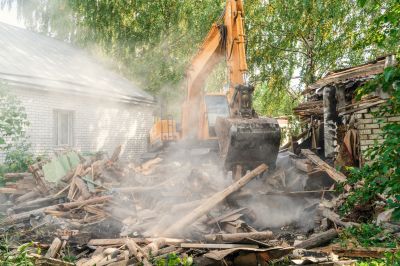 Demolition services in North Myrtle Beach, SC, require a variety of specialized products to ensure the safe and efficient removal of structures. From small-scale interior demolitions to large building tear-downs, having the right tools and equipment is essential for achieving precise results while maintaining safety standards. The selection of demolition products often depends on the scope of the project, the materials involved, and the specific environment where the work will take place.
Top Overall Option
Heavy-Duty Demolition Hammer
A versatile demolition hammer offers powerful impact force for breaking concrete, masonry, and other hard materials. Its robust construction and multiple settings allow for controlled operation across various tasks, making it a preferred choice for many demolition professionals. When selecting a demolition hammer, considerations such as power output, ergonomic design, and safety features are important to ensure effective and comfortable use over extended periods.
Types of Products For Demolition Service
Jackhammers
Handheld pneumatic or electric tools designed for breaking up concrete and asphalt, suitable for small to medium demolition tasks.
Demolition Robots
Remote-controlled machines equipped with various attachments for precise and efficient large-scale demolition projects.
Sledgehammers
Manual tools ideal for breaking through walls, removing nails, and other detailed demolition work.
Pry Bars and Crowbars
Leverage tools used to pry apart structures, remove nails, and assist in controlled demolition activities.
Reciprocating Saws
Power saws with specialized blades for cutting through wood, metal, and drywall during demolition.
Dust Suppression Systems
Equipment designed to minimize airborne dust during demolition, improving site safety and cleanliness.
Debris Chutes
Temporary structures that facilitate safe and efficient debris removal from elevated demolition sites.
Concrete Crushers
Heavy machinery used to break down large concrete structures into manageable pieces.
Hydraulic Breakers
Attachments for excavators that deliver powerful impacts for breaking hard materials.
Safety Gear
Protective equipment including helmets, gloves, goggles, and ear protection essential for safe demolition work.
Structural Support Systems
Temporary supports and shoring to stabilize structures during partial demolition.
Vibration Monitors
Devices used to measure ground and structure vibrations to prevent damage during demolition.
Wrecking Balls
Large, heavy balls used for bringing down entire structures in controlled demolitions.
Scaffolding and Ladders
Access equipment to reach high or difficult areas safely during demolition tasks.
Water Jet Cutters
High-pressure water systems used for precise cutting of materials with minimal dust.
Vacuum Systems
Industrial vacuums designed to clean up dust and debris efficiently on demolition sites.
Portable Lighting
Lighting solutions to ensure visibility and safety during work in low-light conditions.
Popular Choices
Widely used for their portability and ease of use in various demolition scenarios.
Effective for reducing large concrete structures into smaller, transportable pieces.
Popular attachments for excavators, providing high-impact force for tough demolition tasks.
Commonly used to control airborne dust during demolition activities.
Essential hand tools for detailed and controlled demolition work.
A standard protective gear item for head safety on demolition sites.
Frequently employed for efficient debris management during multi-level demolitions.
Versatile power tools favored for their ability to cut through various materials.
Increasingly used to ensure safety during structural demolition near occupied buildings.
Gaining popularity for precise, dust-free cutting in delicate demolition projects.
Commonly used on sites with limited natural light to maintain visibility and safety.
Still utilized in controlled demolitions for their straightforward approach to bringing down large structures.
Widely used for their multifunctional capabilities in large demolition projects.
Standard personal protective equipment for hand safety during demolition work.
Important for maintaining stability during partial or staged demolitions.
Used to reduce ground vibrations during heavy demolition activities.
Popular for cleaning up fine dust and debris efficiently on active sites.
Essential for moving heavy materials safely during demolition.
For contractors and DIY enthusiasts alike, understanding the different types of demolition tools available can help in planning projects effectively. Heavy-duty equipment such as jackhammers and demolition robots are commonly used for breaking through concrete and steel, while hand tools like sledgehammers and pry bars are suitable for more detailed work. Safety gear including helmets, gloves, and eye protection is equally important to prevent injuries during demolition activities.
In addition to power tools, there are various accessories and attachments designed to enhance productivity and safety. Dust suppression systems, debris removal equipment, and containment barriers are often employed to manage mess and protect workers. Proper planning and equipment selection can significantly influence the speed, safety, and overall success of demolition projects in North Myrtle Beach. Whether working on residential, commercial, or industrial sites, having access to a comprehensive range of demolition products helps ensure that projects are completed efficiently and responsibly.
Key Buying Considerations
- Project scope and size to determine appropriate equipment and tools.
- Material types involved, such as concrete, steel, or wood, influencing tool selection.
- Power source preferences, including electric, pneumatic, or hydraulic options.
- Safety features and certifications to ensure compliance with local regulations.
- Ease of use and ergonomic design for operator comfort during extended work periods.
- Portability and weight of equipment, especially for site accessibility.
- Durability and build quality to withstand demanding demolition environments.
- Compatibility of attachments and accessories for versatile use.
- Availability of replacement parts and maintenance support.
- Budget constraints balanced with quality and safety considerations.
- Site-specific factors such as space limitations, access points, and debris management needs.
- Environmental considerations, including dust control and noise levels.
- Training requirements for operators to ensure safe and effective use.
- Future scalability for expanding project scope or additional tasks.
- Compliance with local safety standards and regulations in South Carolina.