
Optimal Timing for Demolition Services
Determining the optimal time for demolition service depends on various factors including weather conditions, project scope, and scheduling requirements. Typically, the most suitable periods are during mild weather seasons to ensure safety and efficiency. Planning demolition during periods of low rainfall and moderate temperatures helps prevent delays and complications.
Demolition projects are best scheduled during dry, mild weather to minimize risks and ensure safety.
Aligning demolition with construction timelines can reduce downtime and facilitate smooth transitions.
Spring and fall often offer optimal conditions, avoiding extreme heat or cold that can impact work quality.
Scheduling during times of lower community activity reduces disruptions and enhances safety.
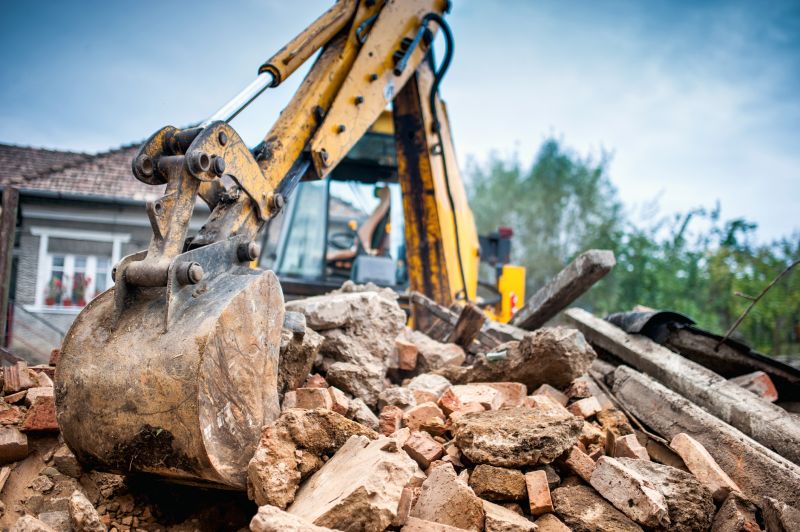
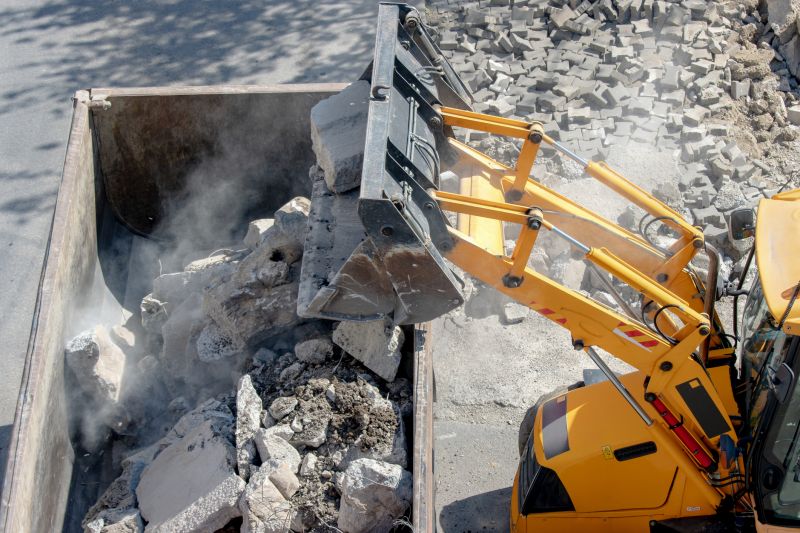
Heavy machinery preparing for a demolition project.
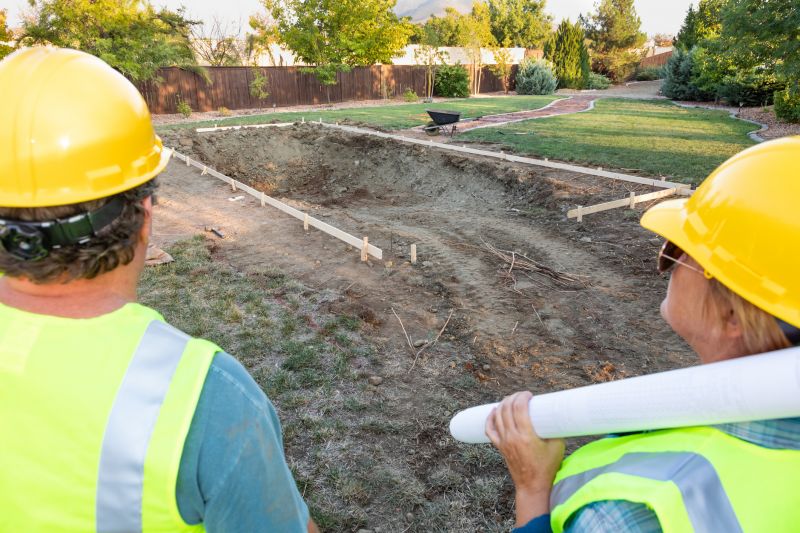
Clearing and preparing a site for safe demolition.
Explosive demolition process in progress.
Ways to make Demolition Service work in tight or awkward layouts.
Popular materials for Demolition Service and why they hold up over time.

Simple add-ons that improve Demolition Service without blowing the budget.

High-end options that actually feel worth it for Demolition Service.

Finishes and colors that play nicely with Demolition Service.
| Factor | Details |
|---|---|
| Weather | Dry, mild conditions minimize delays and hazards. |
| Season | Spring and fall are ideal for moderate temperatures. |
| Project Scope | Larger projects may require more planning and scheduling. |
| Community Impact | Scheduling during low-traffic times reduces disruptions. |
| Permitting | Timing may depend on permit approval processes. |
| Safety Considerations | Weather and timing influence safety protocols. |
| Availability of Equipment | Scheduling should align with equipment readiness. |
| Coordination with Contractors | Timely coordination ensures project flow. |
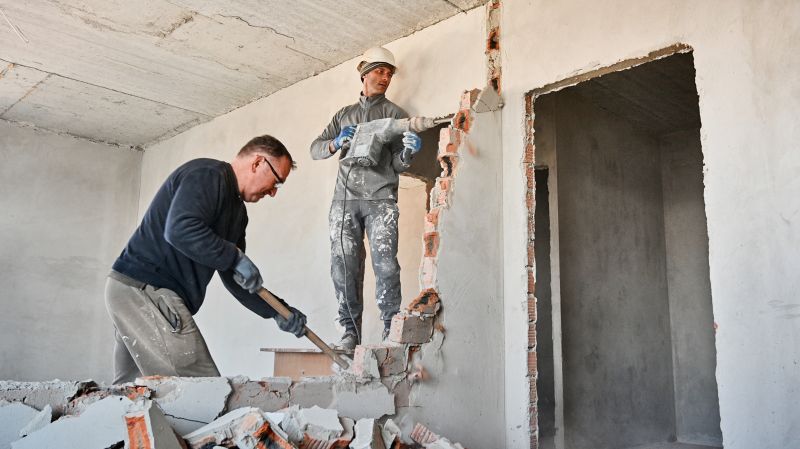
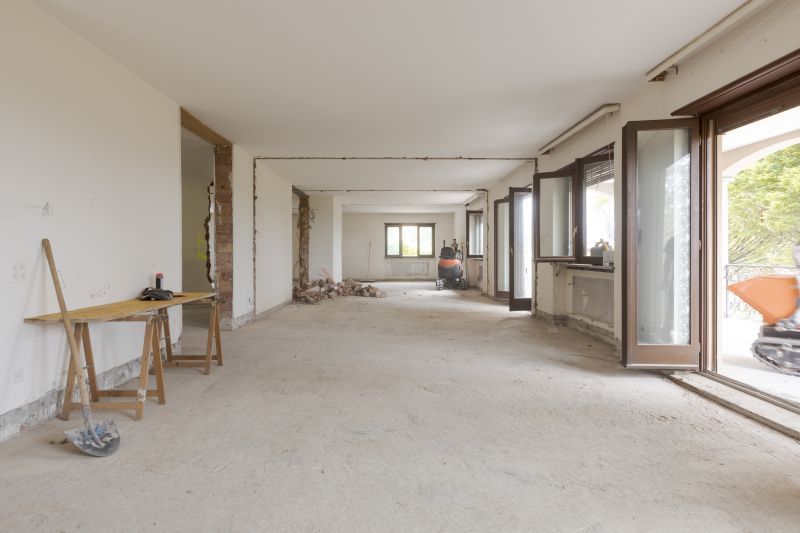
Demolition services involve the careful dismantling and removal of structures to prepare sites for new development or renovation. This process requires precise planning, specialized equipment, and adherence to safety standards. Proper timing ensures that the project proceeds efficiently, minimizing delays and costs. Demolition can include interior stripping, partial or complete building removal, and site clearing, all of which contribute to preparing the area for future use.
Statistics indicate that scheduling demolition projects during favorable weather conditions can reduce project duration by up to 20 percent. Additionally, well-timed demolition minimizes the risk of weather-related damages, which can lead to costly delays. Planning ahead and understanding seasonal patterns are essential for successful project execution.
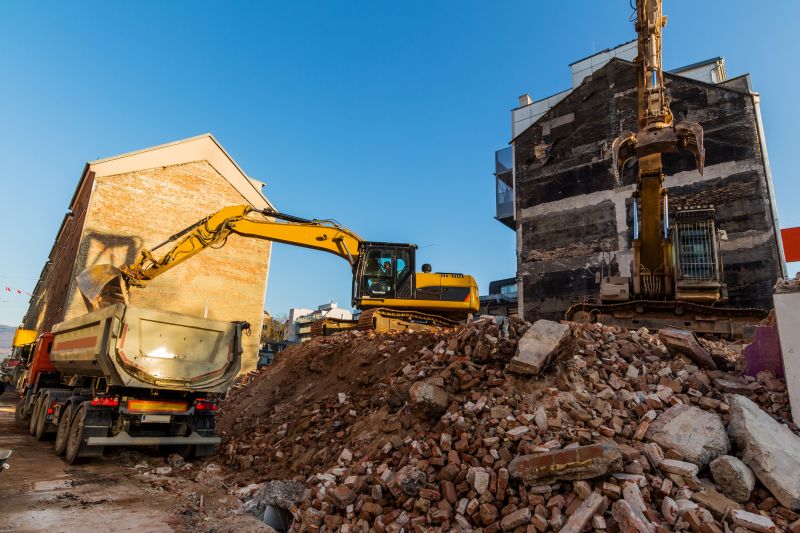
Excavators and wrecking balls at work.
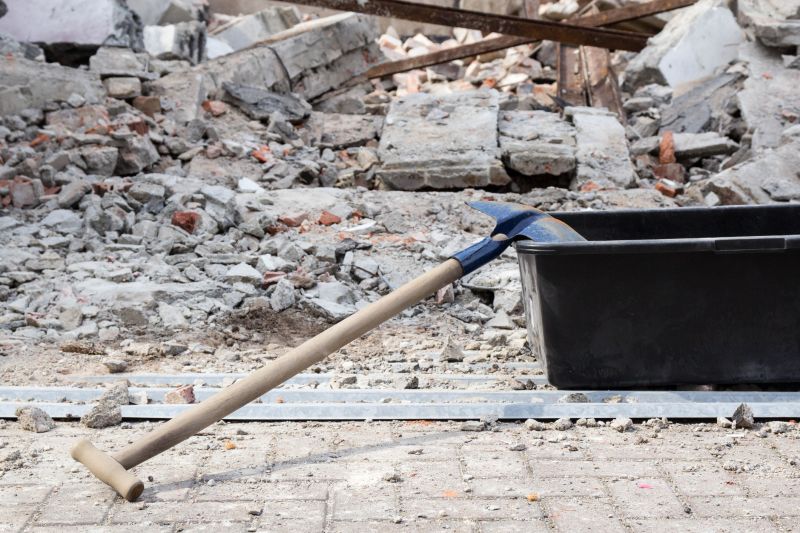
Debris removal after demolition.
Use of explosives for building implosion.
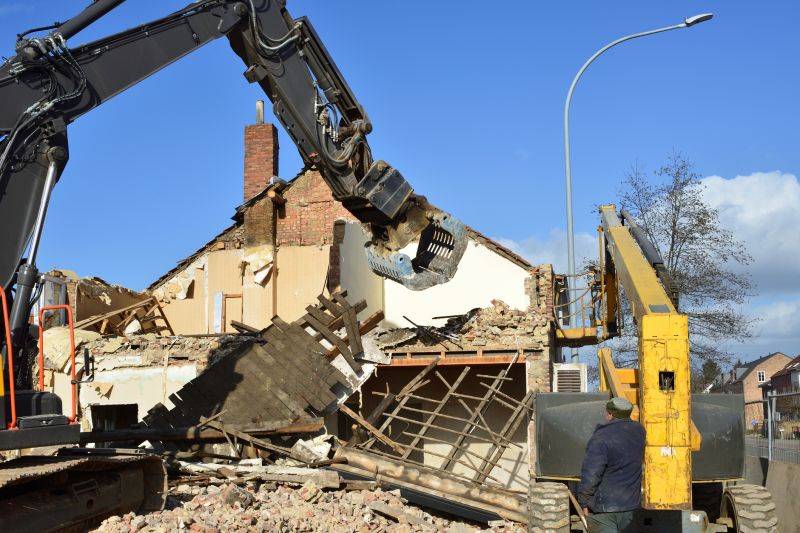
Ready for new construction.
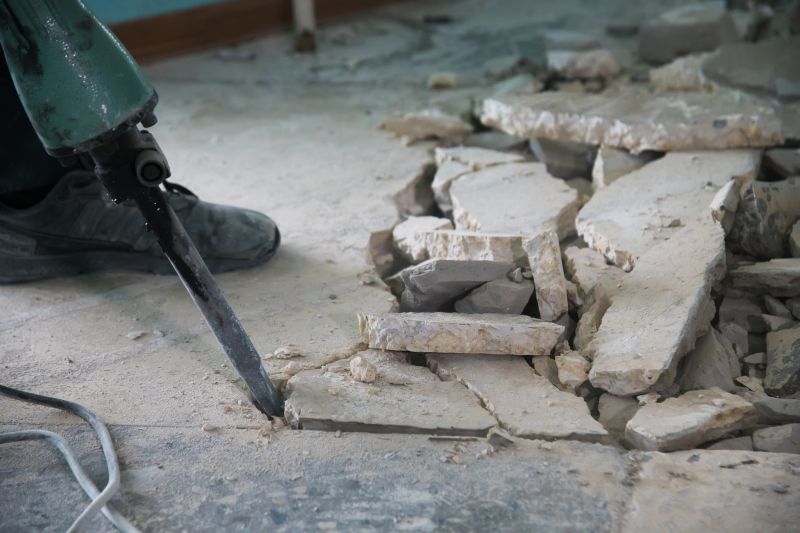
A 60-second routine that keeps Demolition Service looking new.
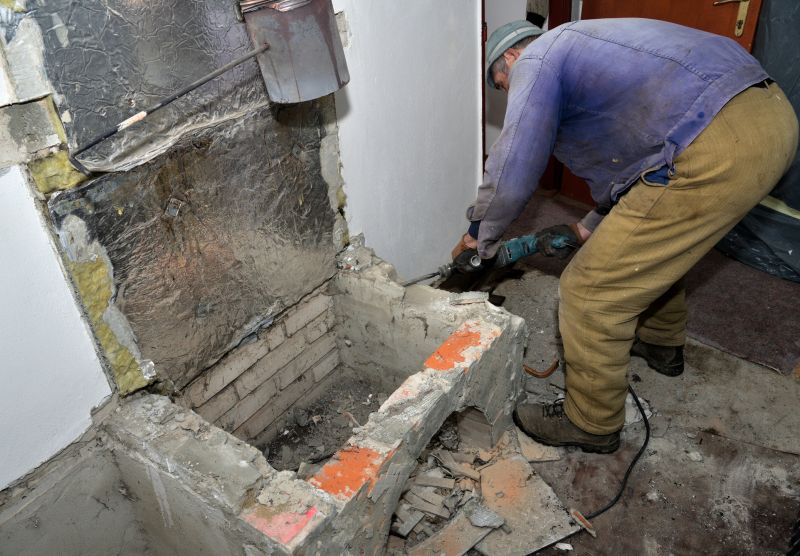
A frequent mistake in Demolition Service and how to dodge it.

Small tweaks to make Demolition Service safer and easier to use.
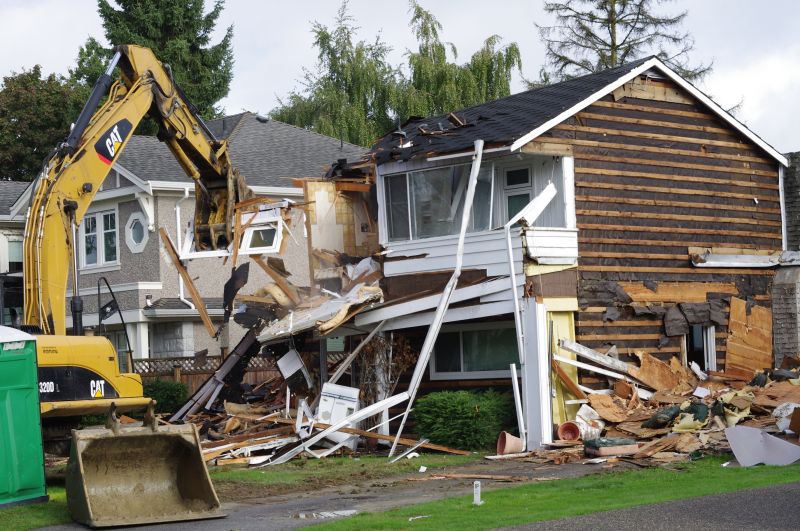
Lower-waste or water-saving choices for Demolition Service.
Interested parties seeking demolition services are encouraged to contact for detailed scheduling and planning assistance. Proper timing enhances safety, efficiency, and cost-effectiveness of demolition projects. Contacting early allows for comprehensive project assessment and optimal scheduling aligned with project goals.